You want to help map the flyways in North America. That is a good goal. But most people jump in blind. They buy the wrong gear. They pick the wrong spot. They quit after two cold mornings.
I have been there. Let me show you how to actually contribute to the Americas Flyway Atlas 2026 project. No fluff. No hype. Just what works.
What Is the Americas Flyway Atlas 2026?
The Atlas is a massive bird tracking project. Scientists want a fresh map of migratory birds of North America. Old maps are outdated. Birds change routes. Climate shifts things. Development blocks old stopover sites.
Read Also: Best Bird Feeder for Indigo Bunting: Complete Guide
The 2026 project asks everyday birders to help. You count birds. You log sightings. You upload photos.
Sounds simple. But most volunteers fail because they do not prepare.
Understand the Four Major Flyways
You cannot help map what you do not understand. North America has four main highways for birds.
The Pacific Flyway runs along the west coast. Ducks, geese, and shorebirds use it.
The Central Flyway goes right through the middle. Think Nebraska, Kansas, Texas.
The Mississippi Flyway is the busiest. Waterfowl by the millions.
The Atlantic Flyway follows the east coast. Warblers, raptors, and songbirds.
Before you pick a spot, study a migratory bird flyways map. The Cornell Lab has a free one. Print it. Put it on your wall.
I keep mine next to my coffee maker. Glance at it every morning.
How to Actually Get Chosen for the Atlas Project?
Here is the part nobody talks about. You cannot just show up. The Atlas has limited slots. They want reliable people. Apply early. That means January 2025 at the latest.
The application asks for your birding experience. Do not lie. But do not sell yourself short either.
What they look for:
-
At least two seasons of bird counting
-
Familiarity with eBird or similar apps
-
Physical ability to walk transects (some are 5+ miles)
-
A basic camera or phone with good zoom
Who should not apply:
-
Absolute beginners (join a local club first)
-
People who cannot commit 10+ weekends
-
Anyone expecting paid work (this is volunteer)
I applied for a similar project back in 2019. Got rejected the first time. They told me I needed more shorebird experience. So I spent six months at a local marsh. Applied again. Got in.
You Must Also Like: Where Is the Snow Goose Migration Right Now Map In USA?
The system works. Respect it.
Gear You Actually Need (And What to Skip)
Let me save you money.
Most online guides tell you to buy a $2,000 spotting scope. You do not need that.
What works for 90% of Atlas work:
-
Binoculars (8x42 is the sweet spot)
-
A cheap tripod (for stability during long counts)
-
Power bank (your phone will die)
-
Rain pants (you will sit in wet grass)
-
A notebook that survives drizzle (Rite in the Rain brand)
What to skip:
-
Expensive camera lenses (phone zoom is fine for ID photos)
-
Fancy bird call apps (disturbs the birds)
-
Heavy camping gear (most sites have nearby lodging)
One guy on my team brought a $3,000 thermal scope. Used it once. Got laughed at. Do not be that person.
The best binoculars under $300? Nikon Trailblazer. Used them for three seasons. Dropped them twice. Still work fine.
Where to Go for Maximum Impact?
Most volunteers pick popular spots. National wildlife refuges. Big state parks. Those places already have good data. You want the gaps.
How to find data gaps:
-
Open eBird’s species density map
-
Look for white spaces (no recent sightings)
-
Cross-reference with the migratory birds of North America range maps
-
Pick a spot within 30 miles of your home
I found a forgotten wetland outside Tulsa. Nobody had counted there in four years. In one season, I documented 47 species. The Atlas team was thrilled.
You do not need to drive six hours. Start close.
The Right Way to Count Birds (Most People Do It Wrong)
Here is the mistake. New volunteers try to count everything. Every sparrow. Every distant dot. They get overwhelmed. They quit. The Atlas only needs certain data.
Priority species for 2026:
-
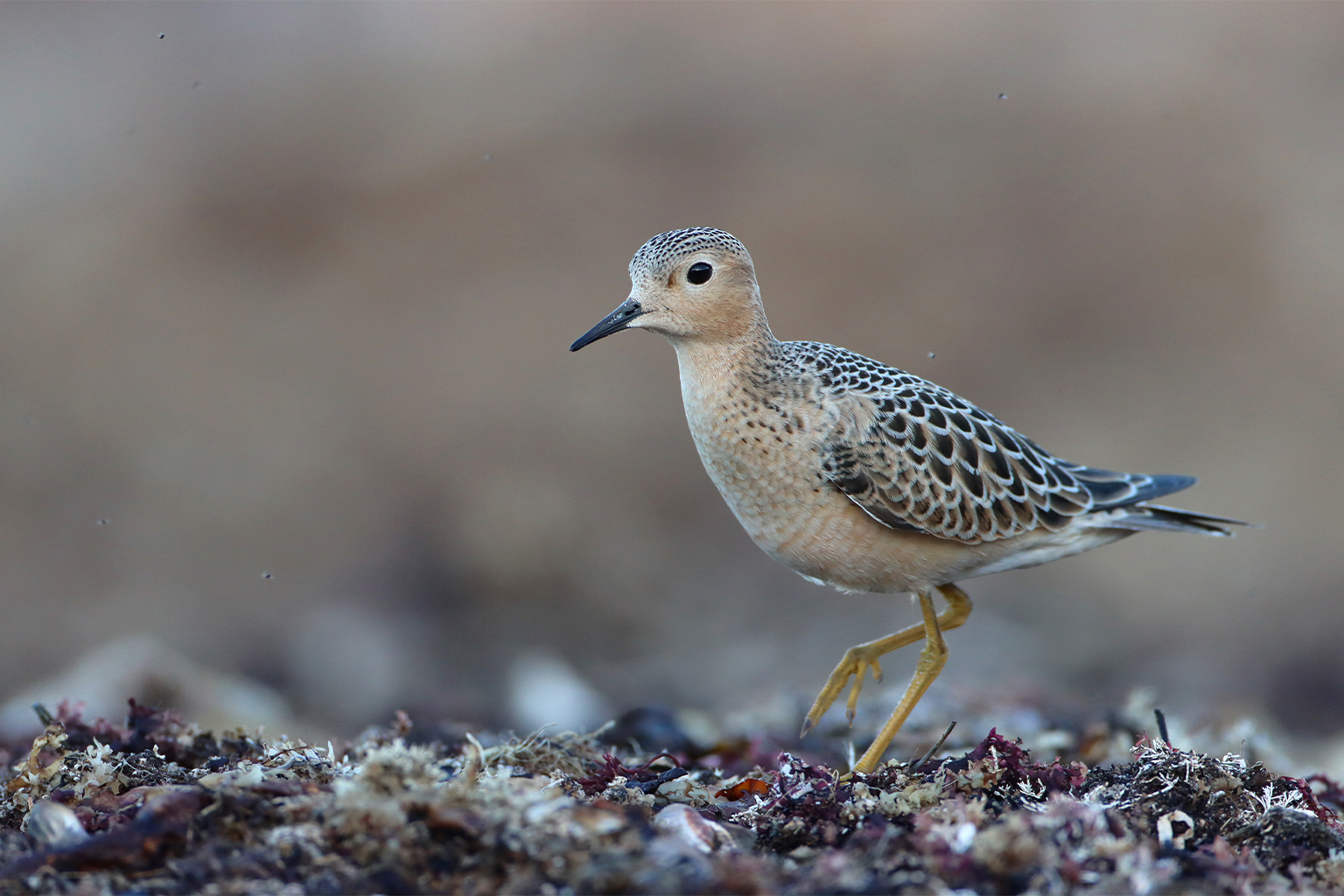
Shorebirds (sandpipers, plovers, godwits)
-
Waterfowl (teal, pintails, shovelers)
-
Raptors during migration (broad-winged hawks, kestrels)
Common birds? Sparrows? Robins? Ignore them unless the sheet says otherwise.
The 10-minute rule: Stand still for ten minutes before you start counting. Let the birds settle. Your first scan misses half the birds if you walk straight in.
I learned this the hard way. Walked into a marsh. Saw nothing for twenty minutes. Sat down in frustration. Suddenly, rails and snipe popped up everywhere.
Patience beats expensive gear.
Recording Data Without Losing Your Mind
You will use an app called Avian Atlas Logger. It is clunky. It crashes sometimes. Deal with it.
Pro workflow:
-
Carry a small voice recorder (or use your phone’s memo app)
-
Call out birds as you see them
-
Enter data into the app at lunch break
Do not try to type while walking. You will miss birds. You will trip. I have done both.
At the end of each day, upload your data. Wi-Fi at a McDonald’s is fine. Just do not wait until Monday. Memory gets fuzzy.
How to Handle Bad Weather (Because It Will Happen)?
Day three of my first Atlas trip. 35 degrees. Steady rain. Wind gusting to 20 mph.
Three volunteers quit that morning.
I stayed. Why? Because birds do not stop migrating for bad weather. In fact, storms push them down. You see more birds on ugly days.
What works:
-
Wool socks (not cotton)
-
A wide-brimmed hat (keeps rain off your binoculars)
-
Hand warmers (the disposable kind)
What fails:
-
Umbrellas (wind destroys them)
-
Cotton jeans (cold and heavy when wet)
-
Pride (nobody looks cool in a downpour)
That rainy day, I spotted a flock of red knots. Rare for that area. The Atlas team used my data to extend the species range map by 40 miles.
Bad weather is your advantage. Most people hide. You go out. You get the good data.
Working With Other Volunteers (The Social Part)
You will meet interesting people. Some are great. Some are not. The know-it-all. The complainer. The person who brought a dog (against the rules).
My rule: Be polite but keep moving.
Do not argue about bird IDs. Take a photo. Let the experts sort it later.
Do not share your exact hotspot locations until the season ends. I learned this the hard way. Told a friendly guy about a great marsh. He showed up with ten other people the next weekend. Scared off the birds for two weeks.
Keep your best spots quiet. Share only with the project lead.
What to Do When You Cannot Identify a Bird
It will happen. Even experts get stumped.
Do not guess. The Atlas would rather have an empty field than wrong data.
Your options:
-
Take the worst photo you can (blurry is fine if it shows shape)
-
Record the call on your phone
-
Write “unknown small shorebird” with size and color notes
One of my best finds started as “unknown brown bird with long bill.” The Atlas team reviewed the photo. Turns out it was a marbled godwit. First confirmed sighting in that county in 30 years.
Wrong data hurts science. Honest blanks help.
Submitting Photos That Actually Get Used
The Atlas wants proof. A blurry speck on the horizon does not count.
What makes a useful photo:
-
Bird fills at least 10% of the frame
-
One clear identifying mark (bill shape, wing pattern, leg color)
-
Location metadata turned on
What to avoid:
-
Filtered or edited photos (no contrast boosting)
-
Cropped too tight (shows no habitat context)
-
Selfies with birds in the background (nobody cares about your face)
I use a simple phone adapter for my binoculars. Costs $20 on Amazon. Turns your binoculars into a 500mm lens. Not perfect. But good enough for ID shots.
After the Season: What Happens to Your Data?
Here is the satisfying part.
Your sightings go into the official flyways in North America database. Scientists use it. Conservation groups use it. Lawmakers use it to protect wetlands.
I got an email six months after my first season. A biologist thanked me by name. Said my data helped save a 200-acre marsh from development.
That is why you do this. Not for money. Not for glory. For the birds.
Common Mistakes That Get Your Data Rejected
Let me save you the embarrassment.
Mistake #1: Wrong date stamps. Your camera says 2019 because you never set it. Fix that before you go.
Mistake #2: Vague location notes. “Near the big tree” does not work. Use GPS coordinates.
Mistake #3: Counting domestic birds. Someone submitted a Muscovy duck from a city park. That is a farm bird. Does not count.
Mistake #4: Double counting. You see a flock. They fly in a circle. You count them again. Wait ten minutes between counts.
The Atlas team is nice about errors. They will email you. But three strikes and they drop you from the project.
Is This Worth Your Time? Honest Pros and Cons
Pros:
-
You contribute to real science
-
You see birds most people never will
-
Free access to training workshops
-
Looks great on a resume (yes, even for non-biology jobs)
Cons:
-
Early mornings (like, 4 AM early)
-
Bug bites. So many bug bites.
-
Your car will get muddy
-
Some weekends you see nothing for hours
I have done six seasons of volunteer bird work. The cons are real. But the pros win.
You just have to decide if cold fingers and mosquito bites are worth it to you.
Final Advice Before You Apply
Start small. Join a local Christmas Bird Count this winter. That is low pressure. Good training.
Then apply for the Atlas in spring 2025.
Buy your binoculars used. Check Craigslist or Facebook Marketplace. Half the price. Same glass.
And please, for the love of birds, do not wear bright colors. I saw a guy in a neon yellow jacket last season. Scared off every bird within 200 yards. Do not be that guy.
The flyways in North America need your help. The 2026 Atlas is a big deal. But it only works if regular people show up, pay attention, and tell the truth about what they see.
You can do this. Just go in with open eyes. Bring warm socks. Leave your ego at home.
See you out there. I will be the one in the muddy boots, staring at a brown bird, muttering into a voice recorder.