I remember my first real birdwatching adventure. I went to Costa Rica with just a cheap pair of binoculars and no idea what I was doing. Within an hour, a local guide named Carlos found three toucans and a group of bright red macaws.
I didn’t see anything until he showed me where to look. the best places for bird watching aren't always the most famous ones. Sometimes the hidden spots deliver the most memorable sightings. Here's my honest, experience-based guide to the world's top birding destinations in 2026.
The Absolute Best Places for Bird Watching in 2026
Colombia Still Holds the Crown
I spent a week in the western Andes last year with a guide named Juan. He used to grow coffee. Now he leads birding tours because it pays better. We logged 380 species in seven days.
Read Also: What Does a Baltimore Oriole Bird Look Like?
That's more birds than the entire United Kingdom has as residents. The variety blew my mind. One morning we were at 3,000 meters watching paramo endemics. The next afternoon we were in lowland rainforest spotting antpittas.
What worked: Hiring a local guide. Juan knew every call. He'd stop the car, cock his head, and whisper "orange-breasted fruiteater." Sure enough, there it was.
What didn't: I packed wrong. Cloud forests are cold. Lowlands are steaming hot. Bring layers. Also, Spanish helps enormously. English is scarce outside Bogotá.
Who should go: Serious birders with a life list to fill. If you want quantity, Colombia delivers.
Who should skip: Beginners. The sheer number of species can be overwhelming. Start somewhere easier.
Costa Rica – Where I Fell in Love With Birding
But the real draw is the infrastructure. You don't need to rough it. Roads are decent. Guides are professional. Safety is not a concern. I went to San Gerardo de Dota specifically for the resplendent quetzal. I'd seen photos.
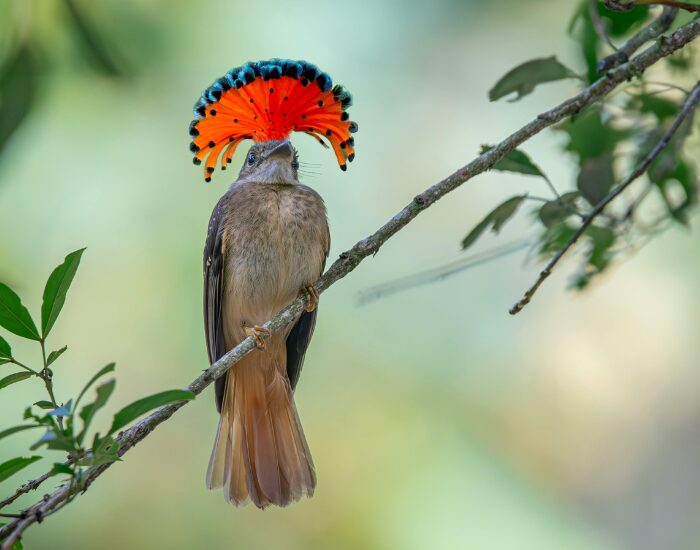
Nothing prepared me for the real thing. We found three males at dawn. Their tail feathers streamed behind them like green silk ribbons. The cloud forest mist swirled around them. I stood there with my mouth open. Carlos, my guide, just smiled. He'd seen it a thousand times. Still, he told me, "Every time, it feels like the first."
What worked: Hiring a guide for just one morning. Cost me $40. Saved me days of wandering aimlessly.
What didn't: I visited in May. Rainy season. Trails turned into mud slides. Come between December and April for dry weather.
Who should go: Beginners. Families. Anyone who wants guaranteed sightings without extreme effort.
Peru's Manu National Park – The Real Deal
Manu holds the world record for bird diversity in a single protected area. Over 1,000 species. I spent four days in the reserved zone. It's remote. No roads. You travel by boat or hike. But the payoff is immense.
You Must Also Like: Best Puffin Watching Tours in Iceland for 2026 Visitors
The cock-of-the-rock put on a display that stopped me cold. Bright orange-red plumage. Bizarre courtship dances. Males jumping and calling like possessed puppets. I'd read about it. Seeing it was completely different.
What worked: The guides in Manu are exceptional. Many are indigenous locals who grew up in the forest. They know every bird by sound and sight. I'd point to a distant shape. They'd name it instantly.
What didn't: The logistics are complicated. You need multi-day tours from Cusco. They're expensive. Expect to pay over $1,000 for a week. Also, the best time is June to August. Rainy season makes trails impassable.
Who should go: Adventurous birders who don't mind discomfort. You'll sleep in basic lodges. Mosquitoes are relentless. But the birding is world-class.
South Africa – Two Birds With One Stone
In Cape Town, I chased the Cape sugarbird and orange-breasted sunbird. Both are stunning. Both are found only in the fynbos region. The Strandfontein Sewage Works sounds terrible. It's actually one of the best birding spots. I counted 50 species in a single morning.
In Kruger, I focused on the far northern Pafuri region. I wanted Pel's fishing-owl. It's a massive cinnamon-colored owl that hunts along rivers. We found one at dusk. It stared at us with yellow eyes. Then it flew off silently. Worth every hour of waiting.
What worked: Combine both regions in one trip. Fly between Cape Town and Johannesburg. Rent a car. Easy.
What didn't: Kruger is expensive. Park fees, accommodation, and guided drives add up. Budget accordingly.
Who should go: Travelers who want birds plus big mammals. You'll see elephants, lions, and rhinos alongside feathered wonders.
Sri Lanka – Endemic Heaven
What surprised me most were the bee-eaters. Bright green, blue, and orange. They caught insects in mid-air with stunning precision. I spent an entire afternoon just watching them.
What worked: The country is affordable. Accommodation, food, and transport are cheap. You can see most endemics within a week.
What didn't: Crowds. Yala gets packed with jeeps. Book early and go at dawn for the best experience.
Budget Birding Trails That Actually Deliver
Not everyone can afford a week in Manu. I get it. Here are three budget-friendly options I've personally tried.
Kodachadri in India's Western Ghats – A full day of guided birding costs just $26. I saw several endemic species exclusive to this mountain range. The guide was knowledgeable. The trails were manageable. For the price of a mediocre meal in London, I got a full day of quality birding.
My takeaway: Budget birding is absolutely viable. The key is timing. Visit during dry seasons – April to June or September to November in India. Trails are clearer. Birds are more active.
Where to Put Your Feeder – Backyard Birding Tips?
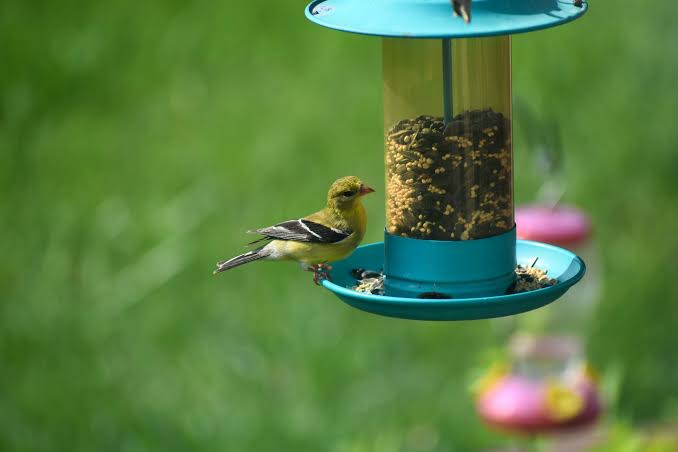
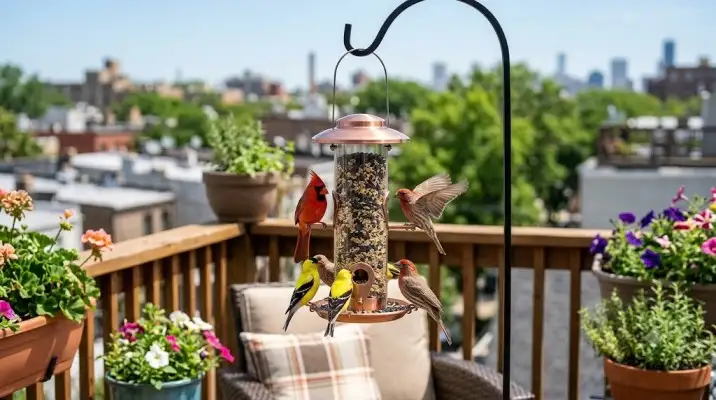
Even when I'm not traveling, I bird from home. After years of trial and error, I've learned a few things about feeder placement.
The standard rule is 10 to 15 feet from bushes or trees. This distance gives birds a quick escape from predators. Too close, and cats can pounce from cover. Too far, and birds feel exposed.
Height matters. Feeders should be at least five feet off the ground. Seven feet from fences or trees. Nine feet from overhanging branches. Squirrels can jump surprisingly far.
Water helps. Put a bird bath nearby. I noticed triple the activity after I added one.
Best Spot for Suet
Suet attracts woodpeckers, chickadees, jays, and nuthatches. I've experimented with placement extensively.
-
Hang suet 10 to 12 feet from shrubs
-
Keep it 5 to 6 feet above ground – this discourages squirrels
-
Place in a visible spot so birds can spot it easily
-
In summer, put it in shade. Suet melts.
-
In winter, put it in sun to keep it softer
I made the mistake of placing suet too close to a tree once. Squirrels raided it daily. Moved it ten feet away. Problem solved.
Also, keep feeders away from windows. Birds crash into glass. I've had three collisions. Now I place feeders within three feet of windows (birds can't build up speed) or over 30 feet away. No more accidents.
What I Wish I Knew Before Starting?
Don't overpack gear. You don't need a $2,000 camera. Start with good binoculars – 8x42 is ideal. Download a field guide app. That's enough.
Research seasons before booking. I showed up to a wetland in the middle of monsoon once. Everything was flooded. The birds had moved. Wasted three days.
Hire guides. Even for one morning. They know the calls, the perches, the routines. In remote areas, they're essential. In Colombia, my guide found a rare antpitta by mimicking its call. I would've walked right past it.
Pack for weather. High-altitude cloud forests are freezing. Lowland rainforests are humid and hot. Layers work best. Waterproof boots are non-negotiable.
Final Thoughts
Birding changed how I see the world. I used to rush through trips. Now I slow down. I listen. I look up. Some days I see dozens of species. Some days I see just one. Both days feel worthwhile.
The best places for bird watching aren't destinations. They're moments. That quetzal at dawn in Costa Rica. That fishing-owl at dusk in Kruger. That first glimpse of a cock-of-the-rock. Those stay with you.
So go. Book that trip. Hang that feeder. Join a local bird walk. You don't need expensive gear or years of experience. You just need curiosity and a bit of patience.
One last thing: don't get hung up on numbers. The species count doesn't matter. What matters is the feeling when you spot something beautiful. That feeling never gets old.