I killed my first hummingbird plant.
Bought it from a big store. Bright red flowers. The tag said "hummingbird magnet." Cost me twenty bucks. I planted it in a nice pot. Watered it every day. The hummingbirds came. For about two weeks. Then the plant died. The birds stopped coming. I felt like an idiot.
That was three years ago. Since then I have tried maybe forty different plants. Some worked. Most did not. I have wasted money on plants that looked great in the nursery but did nothing in my yard. I have bought "native" plants that turned out to be invasive weeds. I have planted things that bloomed for two weeks and then vanished.
This is what I actually learned. Not from a blog. Not from a YouTube video. From standing in my yard, watching birds, and making mistakes.
The Native Plant Thing Is Not Just Talk
Everyone tells you to plant native. I ignored that advice for a long time. Native plants looked boring to me. They did not have the big showy flowers that the garden center had. I wanted instant gratification. I wanted color now. Big mistake.
Read Also: How Much Out of Cage Time Do Lovebirds Need Daily?
Here is what happened. I planted a non-native flowering shrub. Pretty pink flowers. The hummingbirds visited. But they did not stay. They would come, take a sip, and leave. Then I planted a Turk's Cap. It is not a pretty plant.
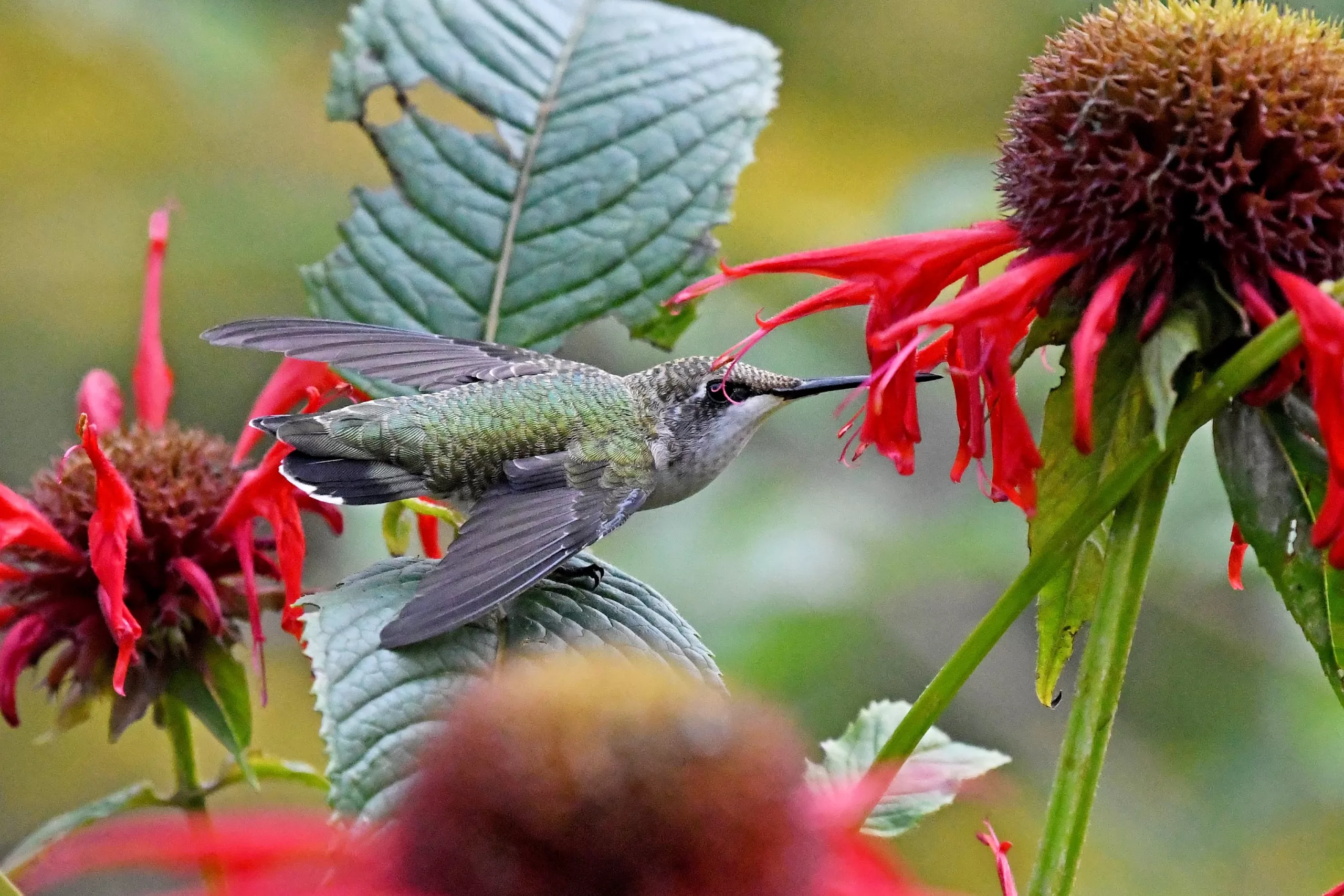
The flowers are small and red. They hang down like little lanterns. Honestly, it looks a bit messy. But the hummingbirds went crazy for it. They fought over it. They would perch on the branches and guard it from each other. I saw the same birds coming back every single day.
That is the difference. Native plants give hummingbirds what they actually need. Not just sugar water. Real nutrition.
Turk's Cap is my number one recommendation. It blooms from spring until the first frost. That is months of flowers. It grows tall, maybe six feet. I planted it in partial shade and it did fine. It survived a drought last summer when everything else died. I did not water it for three weeks. It looked rough but it bounced back. The hummingbirds never stopped visiting it.
The best part? You can cut it back in winter and it comes back bigger the next year. No replanting. No fuss.
The Vine That Changed My Mind
I did not want a vine. Vines are messy. They climb up things and look out of control. I thought they were for old ladies with too much time.
Then I tried Coral Honeysuckle. Not the invasive Japanese kind. The native one. I put it on a cheap metal trellis next to my porch. The first year it grew maybe two feet. I was not impressed. But the second year it exploded. It covered the whole trellis. Red tubular flowers everywhere.
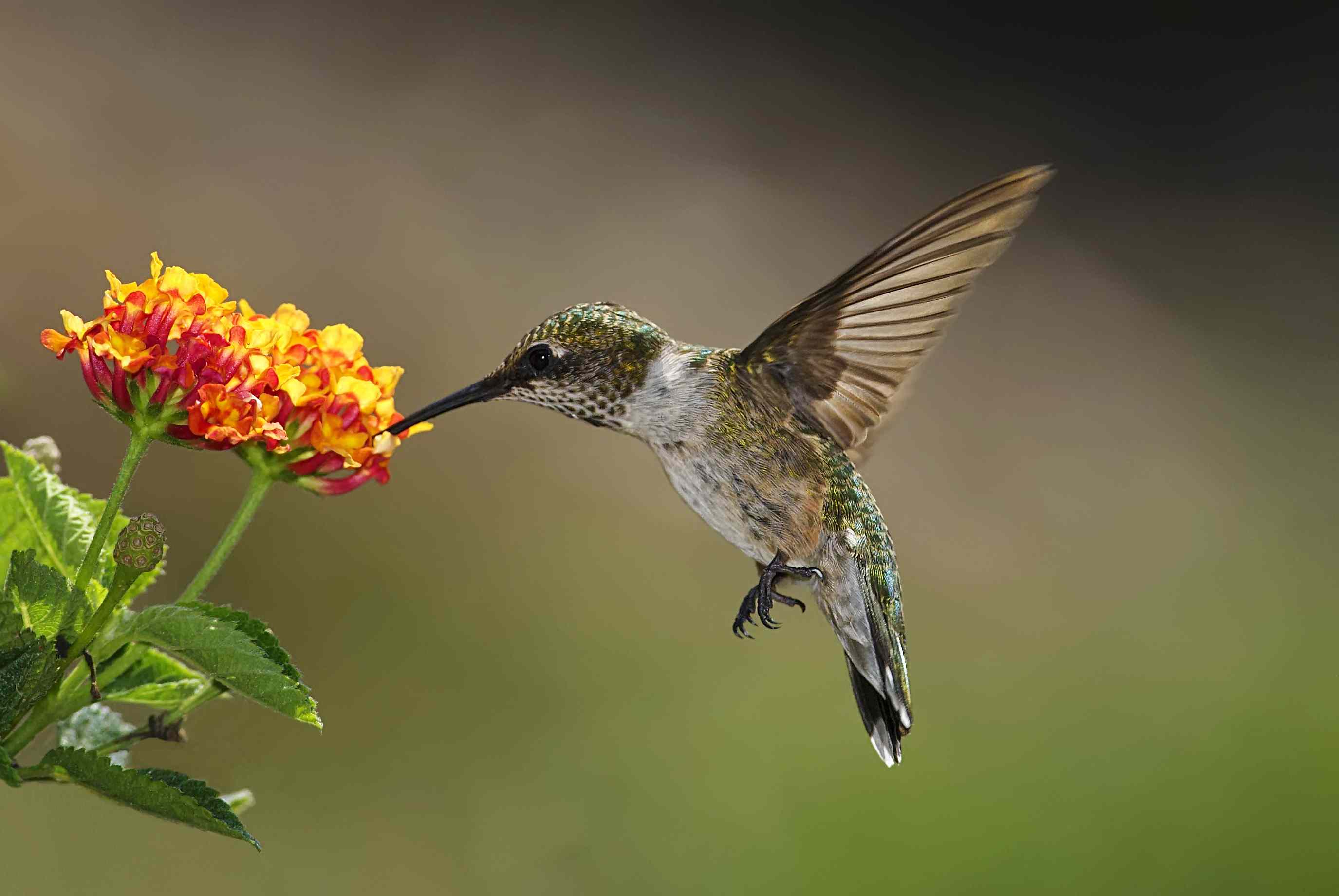
The hummingbirds went nuts. They would hover right next to my face. I could hear their wings buzzing. I have a video on my phone of one bird feeding from a flower that was maybe two feet from my head. It did not care about me at all. It just wanted the nectar.
Coral Honeysuckle is not aggressive. It does not take over your yard. You can trim it back easily. It blooms for months. The birds love it. What more do you want?
One warning. Buy it from a native plant nursery. The big stores sell the wrong kind. The wrong kind is invasive and the hummingbirds do not like it as much. I made that mistake. Bought the cheap one from the hardware store. It grew fast but the hummingbirds ignored it. Waste of money.
That Dicliptera Plant Everyone Talks About
You have probably heard about Dicliptera. The firecracker plant. I was skeptical. It does not look like much. Gray-green fuzzy leaves. Small coral flowers. It is not showy.
But I tried it anyway. Stuck it in a hanging basket in full sun. I wanted to see if the hype was real. The hummingbirds love it. They visit it more than any other plant I have. I do not know why. Maybe the flowers are the perfect shape. Maybe the nectar is sweeter. I am not a scientist. I just know what I see.
You Must Also Like: What Does a Baltimore Oriole Bird Look Like?
Here are the downsides though. It gets leggy. It sprawls everywhere. It does not look tidy. If you want a neat garden, this is not your plant. It also gets rust if you water it from above. I learned that the hard way. The leaves turned brown and ugly. I stopped overhead watering and it recovered.
It is not native to the US. That bothered me at first. But it is not invasive either. It dies back in winter and comes back in spring. I have not had any problems with it spreading where I do not want it.
For a hanging basket in full sun, this is one of the best options. It handles heat like a champ. My other hanging plants wilt in August. Not this one. It keeps blooming. The hummingbirds keep coming.
The Lantana Lie
Everyone recommends Lantana for hummingbirds. I planted a bunch of it. Big colorful clusters of flowers. Orange, yellow, pink. Looks great. Very low maintenance. Drought tolerant.
The hummingbirds visit it. But they do not love it. They prefer other plants. I have watched them fly right past Lantana to get to the Dicliptera or the Turk's Cap. Lantana is okay. It is not special.
But here is why I still grow it. It blooms forever. From spring to frost. It fills in empty spaces. It is cheap and easy to find. Butterflies love it. So if you want plants that attract hummingbirds and butterflies, Lantana is a decent choice. It is not the best for hummingbirds. But it is a solid all-around pollinator plant.
I use it in my big containers. It provides color and fills space. The hummingbirds will visit it when their favorite plants are not blooming. It is a backup. That is how I think about it.
What About Petunias and Fuchsias?
Petunias are pretty. They come in every color. They trail over the sides of baskets. They are cheap. But hummingbirds? Not really. They will visit them if nothing else is available. But they are not a top choice. I have seen hummingbirds ignore a basket of petunias completely while they fight over a single Dicliptera plant next to it.
Fuchsias are different. Fuchsias have those drooping, teardrop flowers. Hummingbirds love them. The shape is perfect for their beaks. The problem is fuchsias do not like full sun. They wilt. The flowers drop off. They look terrible in the afternoon heat. I tried them and gave up. Too much work for too little reward.
If you have shade, grow fuchsias. If you have sun, skip them. That is my rule.
The Orange Milkweed Warning
This one is important. Butterfly Weed, the orange one, is great for hummingbirds and butterflies. It is native. It is drought tolerant. It blooms for a long time. I have a big patch of it.
But there is a trap.
Some garden centers sell Tropical Milkweed. It looks similar. It has orange and yellow flowers. It blooms longer. It grows faster. It seems better.
It is not better. It is worse. Tropical Milkweed does not die back in winter. It stays green. This can mess up monarch butterfly migration. It also harbors a parasite that kills monarchs.
For hummingbirds, the risk is less clear. But I avoid it anyway. I stick with the native Butterfly Weed. It is the right thing to do. And the hummingbirds like it just fine.
My Biggest Mistake: Pesticides
This is embarrassing. I bought a beautiful plant. It was covered in flowers. The hummingbirds visited immediately. I was thrilled. Two weeks later the flowers dropped. The leaves turned yellow. The plant died.
I took it back to the nursery. The owner asked me what I used on it. I told him I used a bug spray. I had aphids on my roses. I sprayed everything.
He explained that many commercial plants are treated with systemic pesticides. These pesticides are inside the plant tissue. They poison the nectar. Even if you do not spray, the plant is already contaminated. The hummingbirds drink the nectar and get sick.
I had no idea. I felt terrible. I was trying to help and I was hurting them.
Now I only buy from local native plant nurseries. I ask them about pesticides. They are honest. They tell me what they use. Most of them do not use systemic pesticides. They use safer options.
Big box stores? I avoid them now. The plants look nice but you do not know what is in them. It is not worth the risk.
What I Do Now?
I keep it simple. I have a small yard. Here is what I planted:
Turk's Cap along the fence. Coral Honeysuckle on a trellis. Butterfly Weed in a sunny patch. Dicliptera in a hanging basket. Lantana in containers. That is it. Five plants. That is all I need.
The hummingbirds come every day. They zip around my yard. They chase each other. They perch on the Turk's Cap branches. They come back year after year. I see the same ones. I recognize them. The big one with the iridescent throat. The smaller one that sits on the fence.
I do not water much. These plants are tough. I do not fertilize. They do fine without it. I do not spray anything. The aphids come and go. The ladybugs handle them.
It is a low effort garden. That is the point. I do not want to work hard. I want to sit on my porch and watch the birds.
What Not to Buy?
Let me save you money. Do not buy these:
Butterfly Bush. Every store sells it. They market it for pollinators. It is not native. It is invasive. It escapes into wild areas. The hummingbirds do not even like it that much. Waste of money.
Impatiens. They are shade plants. Hummingbirds ignore them. Not worth it.
Geraniums. Classic flowers. Hummingbirds do not care. They are not tubular shaped. The birds cannot access the nectar easily.
Tropical Milkweed. I already explained this. Just avoid it.
Cheap seed mixes. They are often filler. They grow into weeds. Not helpful.
The Bloom Time Thing
This is something I learned recently. Hummingbirds migrate. They need food all season. If all your plants bloom in spring, there is nothing for them in fall. They need a constant supply.
I used to plant everything that bloomed in June. Then July and August came and my yard was empty. The hummingbirds left.
Now I stagger my blooms. Turk's Cap blooms from spring to frost. Coral Honeysuckle blooms for months. Lantana blooms forever. Dicliptera blooms late summer into fall. There is always something flowering.
That is the key. Continuous bloom. Not just one big show.
A Few More Thoughts
You do not need a huge yard. I have a small suburban lot. My neighbor has a huge lawn with one tree. I have more hummingbirds than he does. It is not about space. It is about the right plants.
You do not need a feeder. I have one. I fill it with sugar water. But the birds prefer the flowers. They visit the feeder when it is cold or rainy. But the flowers are their real food source. The feeder is just a backup.
You do not need to spend a lot of money. My plants cost maybe fifty bucks total. Most of them came back the next year. That is a one time investment.
Will This Work for You?
I do not know. Gardening is local. What works in my yard might not work in yours. Soil is different. Sun is different. Weather is different.
But these plants are widely recommended for a reason. They work in most places. They are tough. They are reliable.
If you are in a cold climate, you might need different plants. I am in the South. These are heat tolerant. If you are up North, look at bee balm, columbine, or trumpet vine. Same idea. Different plants.
The main thing is this. Choose plants that are native to your area. Choose plants with tubular flowers. Choose plants that bloom for a long time. Avoid pesticides. Provide some perches and water.
That is it. That is what works.
The Hummingbird Plant Dicliptera Superfecta – Should You Buy It?
Yes. I think so. But only if you have a spot in full sun. Only if you do not mind a messy plant. Only if you are okay with a plant that is not native. It is not perfect. It gets rust. It sprawls. It looks weird in winter when it dies back.
But the hummingbirds love it. I mean they really love it. More than any other plant in my yard.
I have seen them ignore everything else to go to the Dicliptera. They hover next to it. They defend it. They come back again and again.
If that is what you want, get it. If you want a tidy, perfect garden, skip it.
The Best Full Sun Hanging Plants for Hummingbirds – My Picks
Here is what I have actually grown in hanging baskets. Full sun. No shade.
Lantana. Reliable. Tolerates heat. Blooms forever. Birds visit it.
Dicliptera. The hummingbird favorite. Sprawling habit. Needs heat to thrive.
Petunias. Decent. Not great. Good for color.
Fuchsias. Do not put them in full sun. They will scorch. Put them in shade.
Bougainvillea. Pretty. But hummingbirds are not attracted to it. Skip it.
Mandevilla. Big trumpet flowers. Hummingbirds like it. But it is not cold hardy. You have to bring it inside in winter. Too much work for me.
My winner is Dicliptera. It handles the heat. It produces the right flowers. The hummingbirds love it. What else matters?
Hanging Plants That Attract Hummingbirds – My Final Verdict
If you want a hanging basket that truly attracts hummingbirds, here is what I do.
Get a big basket. At least fourteen inches wide. Fill it with potting soil. Plant one Dicliptera in the center. Plant some trailing Lantana around the edges. The combination works. The Dicliptera draws the hummingbirds. The Lantana fills in and adds color.
Do not overwater. Let the soil dry out between waterings. These plants like it dry.
Do not fertilize too much. Too much fertilizer makes leaves, not flowers. You want flowers. Less fertilizer is better.
Hang it near a tree or a fence. Hummingbirds like cover. They will not visit a basket in the middle of an empty lawn. They need somewhere to retreat if they feel threatened.
That is it. That is the secret. It is not complicated. It is just doing the right things.
One Last Story
Last summer I had a hummingbird that would not leave. It perched on the Dicliptera basket all day. It would chase away every other bird. It was aggressive. It was territorial. It was entertaining. I named it Spike.
Spike would fly at my head if I got too close to his basket. He was not scared of me. He was protecting his food. I respected that.
Spike stayed for weeks. He left in September. I missed him. But I knew he was migrating. He was heading south. He would be back in spring. That is why I plant these things. Not for me. For Spike. For his babies. For the next generation.
They need these plants. They rely on them. Without them, they struggle. With them, they thrive.
That is the point of conservation. It is not abstract. It is right in your backyard. So plant something good. Plant something native. Plant something that blooms for months. Skip the pesticides. Water when needed. Sit back and watch.
The hummingbirds will find you.