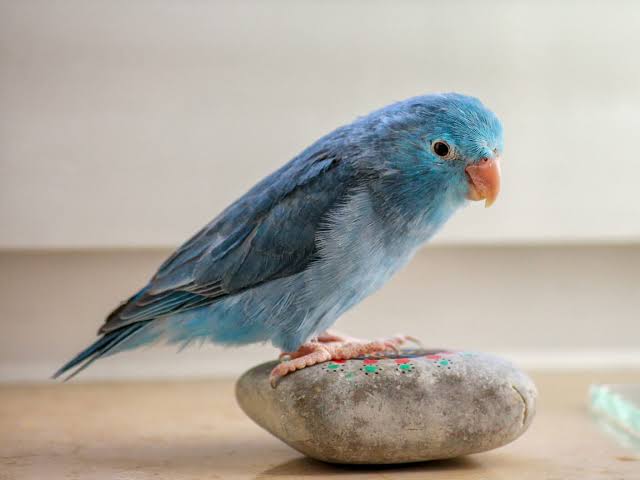
I still remember my first bird. A little blue budgie named Sky. I was twelve. No clue what I was doing. That bird taught me everything. How to be patient. How to read body language. How to clean a cage without making a mess.
Twenty years later, I have owned cockatiels, finches, and even a grumpy lovebird. Each one different. Each one special. If you are searching for great pet birds for beginners, you have come to the right place.
Choosing your first bird is exciting. But it can also be overwhelming. So many species. So many opinions. So many things that can go wrong. I have made the mistakes so you do not have to.
Here is my honest, experience-based guide to the best pet birds for beginners.
What Makes a Bird Good for Beginners?
Before we dive into specific species, let us talk about what actually matters.
Manageable size. Smaller birds are easier to house. They need less space. Their cages are more affordable.
Read Also: Bird Buddy Smart Bird Feeder Review And Live AI Features
Friendly temperament. Some birds naturally bond with humans. Others prefer to be left alone. For a first bird, you want one that enjoys your company .
Lower maintenance. No bird is truly low-maintenance. But some are more forgiving than others. They do not need specialized diets or constant training .
Reasonable lifespan. This is a big one. Some birds live 50+ years. That is a serious commitment. Beginners should start with species that live 10-20 years .
Noise level. Your tolerance for noise matters. Some birds are loud. Others chirp sweetly. Choose accordingly .
Let us get specific.
Top Picks for First-Time Bird Owners
1. Budgerigar (Budgie)
Budgies are the classic starter bird. For good reason.
These small parrots are affordable, easy to find, and come in a rainbow of colors . They are playful. They are social. They bond quickly with owners who handle them regularly .
I have owned three budgies over the years. Each had a distinct personality. One talked. One whistled. One just liked to hang out on my shoulder.
Pros:
-
Easy to care for
-
Low cost
-
Can learn to talk
-
Enjoy interacting with people
Cons:
-
Need daily interaction
-
Can become bored without stimulation
-
Prone to obesity if diet is not balanced
Lifespan: 7-15 years
Best for: Families, first-time owners, apartment dwellers
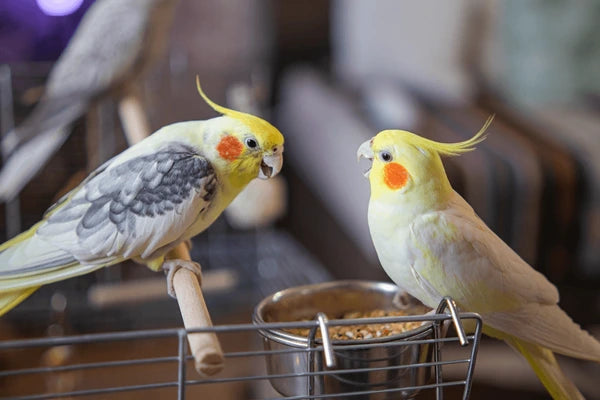
2. Cockatiel
Cockatiels are gentle souls. They are larger than budgies but still manageable.
Their crests tell you exactly how they feel. Up and forward? Excited. Flattened back? Nervous. I learned to read my cockatiel's mood just by watching that crest.
They whistle beautifully. Males especially love to learn tunes . Some even mimic words, though they are not as talkative as larger parrots.
Pros:
-
Sweet and affectionate
-
Relatively quiet
-
Can be trained to whistle and do tricks
-
Bond strongly with owners
Cons:
-
Produce feather dust (allergy concern)
-
Need regular out-of-cage time
-
Can be destructive if bored
Lifespan: 15-25 years
Best for: Families, anyone wanting an affectionate companion
3. Lovebird
Lovebirds are tiny parrots with huge personalities. They are colorful, energetic, and full of charm.
Their name is accurate. They bond deeply with their owners. But they can also be territorial. One of my lovebirds claimed my desk as her territory. Any hand that came near got a warning nip.
Pros:
-
Playful and affectionate
-
Small and easy to house
-
Fun to watch
Cons:
-
Can be nippy without proper socialization
-
Need daily attention
-
May be territorial, especially in pairs
Lifespan: 10-20 years
Best for: Owners with time for daily interaction, singles or pairs
4. Canary
Canaries are different from parrots. They do not seek cuddles. They do not talk. But their songs make up for it. If you want a bird that sings beautifully and does not demand handling, a canary is perfect .
My first canary sang every morning. That cheerful melody started my day right. He never wanted to be held. But he was always part of the household.
Pros:
-
Beautiful singing voice
-
Low-maintenance
-
Do not require handling
Cons:
-
Not cuddly
-
Prefer observation over interaction
-
Need a calm environment
Lifespan: 10-15 years
Best for: People who enjoy listening and watching, those with busy schedules
5. Finch (Zebra Finch)
Finches are tiny, active, and social. They thrive in pairs or small groups.
They are not hand-tame. They do not want to sit on your shoulder. But watching them fly and chirp is endlessly entertaining .
I kept a pair of zebra finches for years. Their constant chirping became background music. They were happy together. I was happy watching them.
Pros:
-
Low-maintenance
-
Fun to watch
-
Social and active
Cons:
-
Should be kept in pairs
-
Not for handling
-
Messy eaters
Lifespan: 5-10 years
Best for: Bird lovers who enjoy watching flock behavior
6. Green-Cheeked Conure
Green-cheeked conures are playful and affectionate. They are small parrots with big personalities. They love to cuddle. They learn tricks. They want to be part of everything you do.
You Must Also Like: How to Join the 2026 Great Backyard Bird Count for Beginners?
But they are louder than budgies or cockatiels. And they need significant daily interaction. If you have the time, they make wonderful companions.
Pros:
-
Playful and cuddly
-
Intelligent and trainable
-
Quiet for a conure
Cons:
-
Need daily attention
-
Can be vocal
-
Require out-of-cage time
Lifespan: 20-30 years
Best for: Active owners who want an interactive pet
Birds to Avoid as a Beginner
Some birds are not suitable for first-time owners.
African Grey Parrots are incredibly intelligent. They need constant mental stimulation. Without it, they develop behavioral problems. They can live 40-60 years.
Cockatoos are affectionate but needy. They demand constant attention. They are loud. They can live 30+ years.
Macaws are large, loud, and require massive cages. They are not for beginners.
These species are wonderful. But they require experience, time, and resources that most first-time owners do not have.
Key Factors to Consider
Space. Birds need room to move. A cage should be wide enough for them to stretch their wings . Larger birds need larger cages.
Time. Some birds need hours of interaction daily. Others are content with less. Be honest about your schedule.
Budget. Birds need quality food, toys, cages, and veterinary care. Costs add up.
Noise tolerance. Canaries and finches chirp softly. Conures and cockatiels are louder. Macaws can be heard down the street.
Lifespan commitment. A budgie may live 10 years. A cockatiel can live 25. An African Grey can outlive you.
Before You Bring a Bird Home
-
Do your research. Learn about the species. Understand their diet, housing, and social needs.
-
Prepare the cage. Set it up before bringing the bird home .
-
Find an avian vet. Not every vet treats birds .
-
Be patient. Bonding takes time. Your bird needs to trust you.
Final Thoughts
Choosing great pet birds for beginners is about matching your lifestyle with the bird's needs.
Budgies and cockatiels are my top recommendations for most people. They are friendly, manageable, and rewarding. But every bird is an individual. Some budgies talk. Some do not. Some cockatiels love cuddles. Others prefer to whistle from a distance.
The key is patience. Spend time with your bird. Learn its personality. Build trust.
That is how you create a real bond. Twenty years after my first budgie, I still love keeping birds. They bring joy. They bring noise. They bring life to a home. Start with the right species. Learn as you go. And enjoy the journey.
Your feathered friend is waiting.