The American Birding Association names a Bird of the Year every year. For 2026, they picked a scrappy little songbird with feather tufts that look like horns. The horned lark bird is not flashy. It does not have bright blue feathers or a long tail. But it is tough. It survives in places most birds avoid.
I have been birdwatching for over fifteen years. I have tracked horned larks across frozen fields, windy beaches, and high mountain passes. They are not easy to find. They are not easy to photograph. But they are worth the effort.
This guide gives you the honest truth about finding and watching the 2026 Bird of the Year. No hype. No fluff. Just practical advice from someone who has spent cold mornings searching for these birds.
What Is a Horned Lark? (And Why Should You Care?)
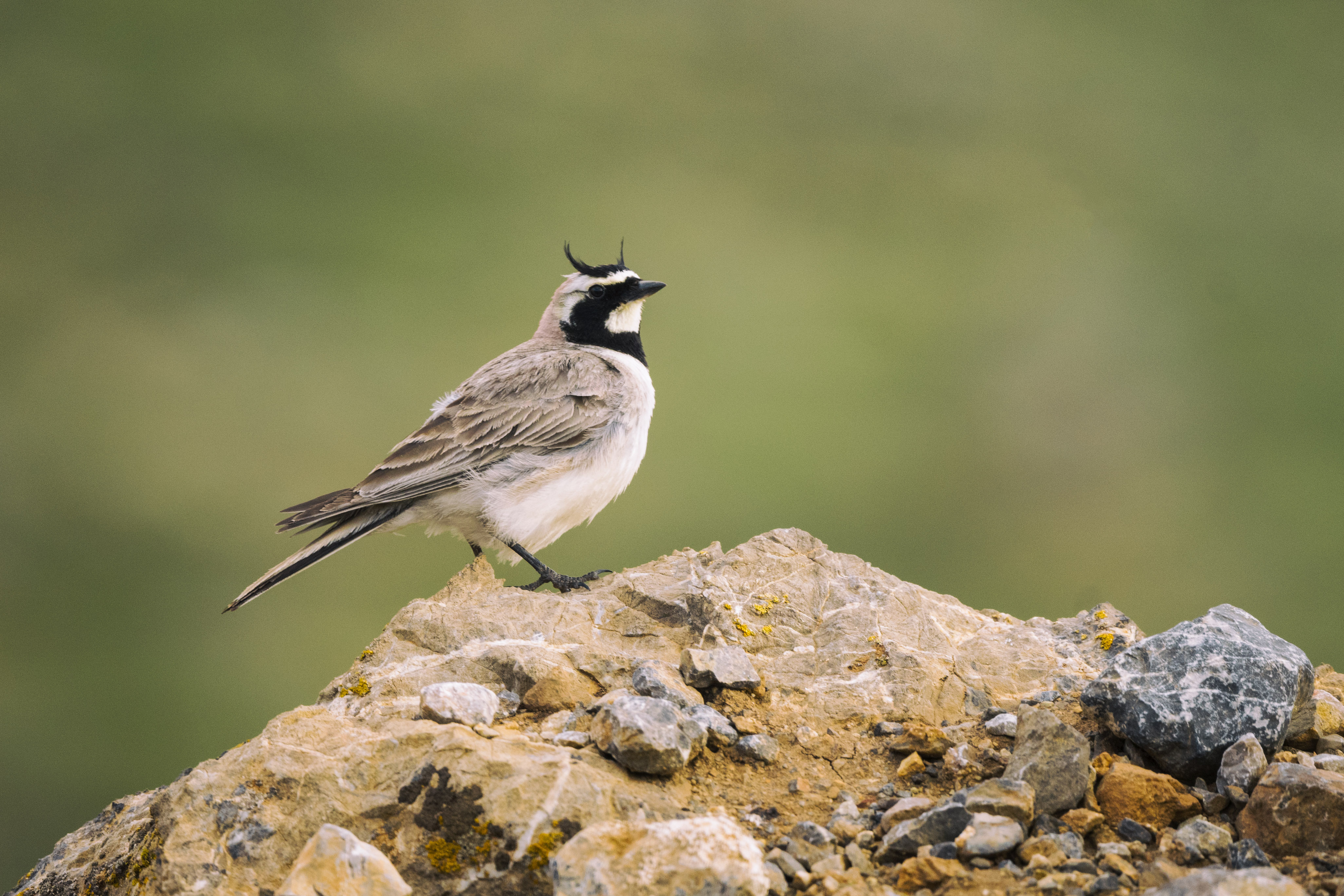
The Eremophila alpestris—that is the scientific name—is the only lark species native to North America . The name means "lover of mountains" in Greek. It fits.
Read Also: What Are the Best Binoculars for Bird Watching 2026?
Those "horns" are not horns at all. They are small, black feather tufts that stick up on both sides of the head. Males have them. Females and juveniles look similar but duller, with smaller tufts.
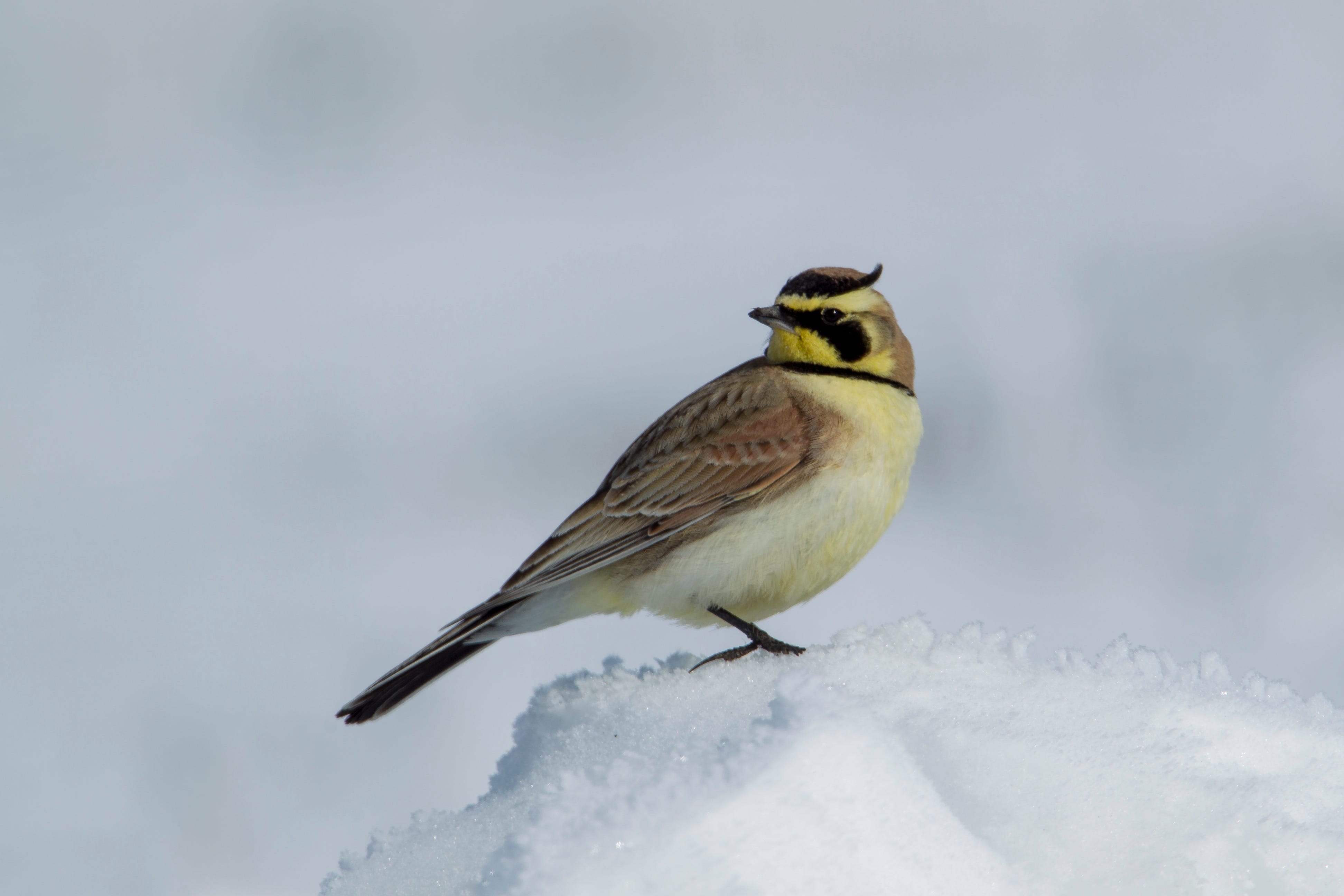
The male has a yellow face with a black mask. The female is less colorful. Quick facts:
-
Size: 7 to 8 inches long
-
Wingspan: 12 to 14 inches
-
Weight: About 1 to 1.5 ounces
-
Lifespan: Unknown in the wild, but some banded birds have lived several years
The streaked horned lark is a special subspecies. It lives only in southwest Washington and western Oregon. Only 1,170 to 1,610 of these birds remain.
They are state-endangered in Washington and federally threatened. If you live in the Pacific Northwest, finding one of these is a big deal.
Where to Find Horned Larks: The Honest Truth?
The horned lark bird does not hide in forests. It does not visit backyard feeders. It wants open spaces. Big, bare, sometimes ugly open spaces.
The Best Habitats
Look in these places:-
-
Agricultural fields (especially fallow or harvested fields)
-
Prairies and grasslands
-
Beaches and coastal dunes
-
Airport grounds
-
Dredge spoil islands
-
Tundra and alpine meadows
-
Deserts
-
Golf courses (yes, really)
The bird loves bare or sparsely vegetated ground. It needs open space to run, forage, and spot predators.
Seasonal Patterns
Winter is actually the easiest time. Horned larks form large flocks in cold months. You might see 100 or more birds together. They mix with Snow Buntings and Lapland Longspurs.
Spring and summer are different. The birds become territorial and solitary. They nest on the ground. Males defend their patch by singing—either from the ground or during a high circling flight.
The male flies up to 800 feet, circles while singing, then dives straight down with wings closed. At the last second, he opens his wings and lands softly. It is one of the most amazing displays in birding. But you have to be in the right place at the right time to see it.
Regional Differences
| Region | What to Know |
|---|---|
| Northeast/Midwest | Look in agricultural fields. Birds arrive by late January in southern areas . Flocks use gravel roads for grit and seeds. |
| Pacific Northwest | Target the streaked horned lark subspecies. Found on coastal beaches, prairies south of Puget Sound, and Columbia River islands . |
| West/Mountains | Look above treeline in summer. Alpine meadows and tundra. |
| South | Wintering grounds for northern birds. Check open fields and coastal areas. |
How to Find Them: Practical Field Advice?
I have failed to find horned larks more times than I want to admit. Here is what I learned from those failures.
1. Drive Dirt Roads Slowly
This is the single best method for winter and early spring. Find rural unpaved roads cutting through agricultural land. Drive slowly—10 to 15 miles per hour. Watch the road shoulders.
You Must Also Like: Ankasamudra Bird Conservation Reserve: A Sanctuary for Avian Diversity
The birds forage right on the gravel. They pick up small stones for digestion and eat windblown seeds . When you approach, they flush. You see a group of brown birds lift off, twist in the air, and land 50 yards ahead.
Do this in the morning, just after sunrise. Birds are most active then.
2. Listen for Their Call
Horned larks are noisy when flying. Their call is a high, tinkling sound. Some describe it as "tsip, tsip, tsip, tsee, didididi.
Drive with your window cracked open. If temperatures are brutal, stop the car, get out, and listen. But be careful. What looks like a plowed shoulder might be a snow-filled ditch.
3. Scan Bare Ground
Look for movement on open dirt or short vegetation. The birds walk and run—they do not hop. They blend in well. The Cornell Lab of Ornithology says they look "roughly the same color and size as a clod of dirt.
When you spot a flock, pull over safely. Use binoculars to study them. Look for the yellow face and black mask. Look for the tiny "horns" on males.
4. Use eBird as a Scouting Tool
Before leaving home, check eBird. Filter by species and recent sightings. Look for red dots—those are recent observations . Zoom in on areas with multiple checklists. This saves you hours of driving.
The Gear You Actually Need
I have tested binoculars for years. Here is what works for horned lark birdwatching.
Best Binoculars for This Species
Horned larks stay on the ground. They are often 50 to 200 yards away. You need binoculars with good clarity and comfortable handling.
Nikon Monarch M5 8×42
-
Why it works: Lightweight (1 lb, 6 oz). Crisp image in all lighting. Durable.
-
Pros: Easy to hold for long periods. Works well in low light.
-
Cons: Average close focus (8.2 feet). Not a big issue for open country birding.
-
Best for: Most birders. Solid mid-range option.
ZEISS SFL 10×50
-
Why it works: Excellent low-light performance. Wide field of view.
-
Pros: Highly adjustable eyecups. Sensitive focus wheel.
-
Cons: Heavy (almost 2 lbs). Expensive.
-
Best for: Serious birders who spend full days in the field.
Vortex Diamondback HD 8×42
-
Why it works: Good value. Bright, clear image.
-
Pros: Lifetime warranty. Smooth focus.
-
Cons: Case quality is poor. Some users report stiff hinge.
-
Best for: Budget-conscious birders who still want decent optics.
Celestron Outland X 10×42
-
Why it works: Affordable. Durable.
-
Pros: Under $150. Compact.
-
Cons: Blurry edges. Narrow field of view. Neck strap is too long.
-
Best for: Beginners or occasional birders.
My Personal Setup
I use the Nikon Monarch M5 8×42 for most horned lark trips. The 8x magnification gives a steady image. The 42mm objective lens gathers enough light for early mornings.
I pair it with a lightweight harness so the weight stays off my neck. If I am going to coastal sites for streaked horned larks, I bring a 10×50. The extra magnification helps pick out field marks on distant birds.
Photography Tips
Horned larks are hard to photograph. They stay on the ground. They move fast. They flush easily.
Use a long lens. 400mm is the minimum. 600mm is better. Zoom with your feet only if the birds are comfortable. Do not chase them.
Shoot from your car. The vehicle acts as a blind. Park, turn off the engine, and use your window as a rest. Birds are less wary of cars than people.
Record sound instead. If photography fails, record their calls. Merlin works for identification. Export the recording, use Audacity to clean it up (high-pass filter + normalize), and upload to iNaturalist.
Honest Pros and Cons of Horned Lark Birdwatching
Pros
They are reliable in winter. Unlike rare birds that show up once and disappear, horned larks return to the same fields year after year. Find a spot once, and you can come back.
They offer a challenge. Not every bird should be easy. Finding horned larks requires skill and patience. That makes the sighting more rewarding.
You see other birds too. Flocks mix with Snow Buntings, Lapland Longspurs, and sometimes Snowy Owls. One trip can yield multiple lifers.
You learn open-country birding. This is a different skill than forest birding. You learn to scan, drive slowly, and use eBird strategically.
Cons
The locations are not glamorous. You will spend time on gravel roads, airport edges, and industrial areas. Not exactly scenic hiking trails.
Weather matters. The best time is winter. That means cold. Bring warm clothes. Bring hand warmers. Your fingers will hurt after an hour outside.
They blend in. Even experienced birders miss them. You might drive past a flock without noticing. You will learn to spot movement, not color.
Some populations are declining. The streaked horned lark is endangered. Do not disturb nesting birds. Stay on roads and designated paths.
Conservation: Why This Bird Matters?
The ABA chose the horned lark for a reason. The bird faces real threats.
Habitat loss is the biggest problem. Open grasslands are disappearing. Development, invasive species like Scotch broom, and tree encroachment destroy nesting areas. Over 90% of original grasslands in the south Puget Sound region are gone.
The streaked horned lark is in trouble. The population is estimated at 1,170 to 1,610 birds range-wide. Some local populations dropped 45% in just three years. Conservation efforts include:
-
Habitat restoration on Joint Base Lewis-McChord
-
Genetic augmentation from Oregon populations
-
Management of dredge spoil islands on the Columbia River
-
Coordination with airports to reduce collisions
What you can do:
-
Report sightings on eBird or iNaturalist
-
Support organizations that restore grassland habitat
-
Stay on trails near nesting areas (April through August)
-
Keep cats indoors
Common Mistakes to Avoid
I made all of these. Learn from me.
1: Going too late in the day. Horned larks feed most actively in early morning. By 10 a.m., they often settle down. Plan to arrive at your spot by sunrise.
2: Driving too fast. If you are covering miles at 40 mph, you will miss them. Slow down. Scan each field edge. Stop when you see movement.
3: Looking only for yellow faces. In winter, the plumage is drabber. Females and juveniles lack the bright mask. Learn the shape, the walk, and the flight pattern first.
4: Giving up after one try. Horned larks move. A field that had 50 birds yesterday might have none today. Check eBird. Try different roads. Try different times of day. Be persistent.
Final Thoughts
The horned lark bird is not the prettiest species on the ABA list. But it might be the toughest. It survives where other birds cannot. It nests on the ground in open fields, beaches, and even airports.
It sings while flying 800 feet in the air. It returns to the same gravel roads every winter, picking seeds from the dirt. Finding one takes work. You will drive slow roads. You will get cold.
You will scan empty fields until your eyes hurt. But when you spot that yellow face, those black horns, that running walk, you will understand why birders waited for this moment.
The 2026 Bird of the Year is waiting in a field near you. Go find it.