When did the dodo bird go extinct? The dodo bird has become the ultimate symbol of extinction. Ask most people what happened to it, and they will tell you a simple story. Humans arrived, shot them all, and they were gone. But the real story is more complicated.
The exact date of their extinction is still debated by scientists today. So when did the dodo bird actually disappear? The answer is not as simple as you might think .
When Did the Dodo Bird Go Extinct?
The Traditional Answer: 1662
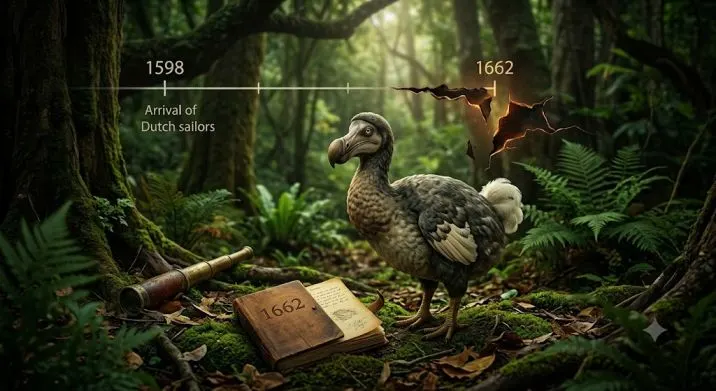
For centuries, the accepted answer was 1662. This was the date of the last confirmed sighting of a live dodo. The sighting was recorded by a Dutch sailor named Volquard Iverson. He was shipwrecked on Mauritius and wrote about seeing several dodos on a small island offshore.
Read Also: What Do Quails Eat Sparrows? A Complete Guide
For a long time, this was the story. The last dodo was seen in 1662, and then they were gone. The year 1681 was also sometimes used. This came from a report by Benjamin Harry, the first mate of the ship Berkley Castle, who claimed to have seen a dodo.
But many historians believe this sighting was confused with a different bird. The idea that the dodo was extinct by 1662 or 1681 became the accepted story.
Natural history books repeated it. The image of the dodo as a clumsy, doomed bird that quickly vanished became fixed in the public imagination.
The Problem: The Last Sighting is Not the End
The problem with using the last sighting as the extinction date is that it is not accurate. When a species is in decline, it can survive unseen for years. A species does not disappear the moment the last person stops looking for it.
In 2003, two scientists, David Roberts and Andrew Solow, challenged the traditional date. They used a statistical analysis based on the ten most recent recorded sightings of the dodo, from 1598 to 1662.
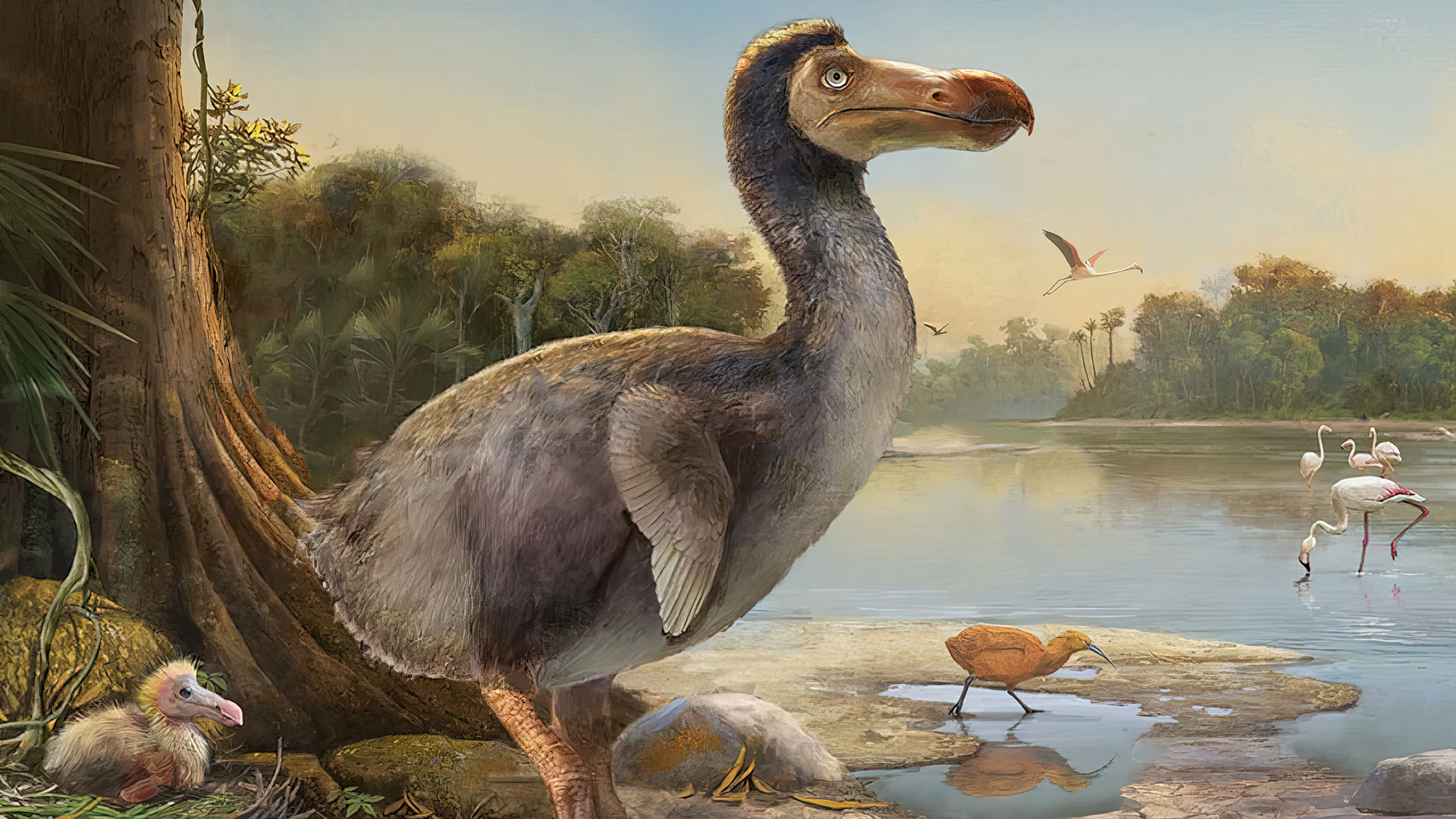
Their conclusion was that the dodo probably did not go extinct in 1662. Instead, the most likely extinction date was 1690. This means the dodo survived for nearly 30 years longer than previously thought. It was just not seen by Europeans during that time.
Why the Confusion?
Part of the confusion comes from the way the dodo was first encountered. The first recorded descriptions were from Dutch sailors in 1598. They were not scientists. They were practical men looking for food and supplies .
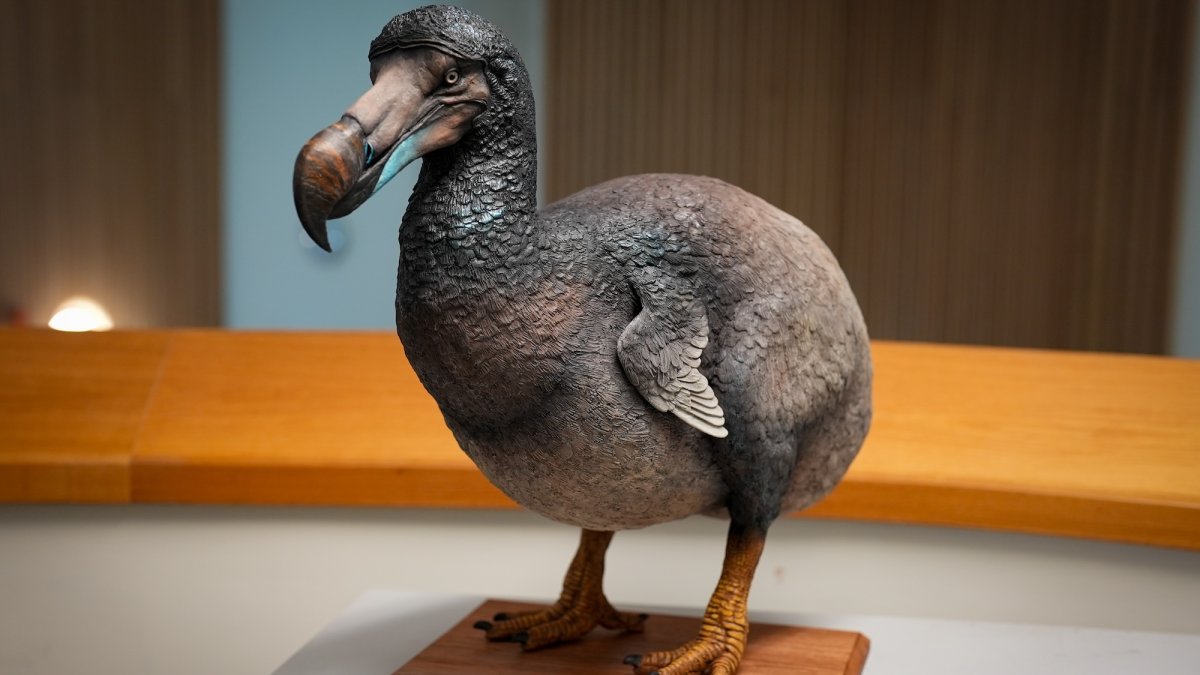
The dodo lived only on the island of Mauritius . By the time European scientists started to study animals properly, the dodo was already gone. There were no complete stuffed specimens left.
For many years, scientists even doubted the dodo had ever existed. They thought it was a myth, like a griffin or a phoenix.
What Happened to the Dodo?
The dodo's extinction was not the result of a single event. It was a combination of factors that happened very quickly. The bird evolved over millions of years without natural predators. It had no reason to fear the new arrivals .
Here are the main causes:
-
Hunting: Dutch sailors and settlers hunted the dodo for food. But hunting alone was probably not the main cause of their extinction .
-
Habitat Destruction: As humans settled on Mauritius, they cleared forests. This destroyed the dodo's natural habitat and food sources .
-
Invasive Species: This was the most significant factor. The sailors brought animals with them: rats, pigs, cats, dogs, and monkeys. These animals ate dodo eggs and competed for food. They also destroyed the nests of the flightless birds .
Recent Science Challenges the "Stupid" Reputation
The dodo has a reputation as a slow, stupid bird. This reputation comes from its lack of fear of humans. But this was not stupidity; it was a lack of evolved predator response.
Recent scientific studies have challenged this idea. In 2026, a team of researchers used CT scans to study dodo skulls. They reconstructed the brain size of the bird.
Their findings were surprising. The dodo's brain was exactly the size expected for a bird of its size. It was not smaller than its close relatives, the pigeons.
Pigeons are known to be intelligent birds . The researchers concluded that the dodo was likely "quite social" and not less intelligent than other pigeons.
They also found that dodos may have been active at dawn and dusk, making them the only known nocturnal pigeon. It also had a well-developed sense of smell, which is unusual for a bird.
So the story of the dodo is not one of stupidity. It is a story of a species that was perfectly adapted to an isolated environment. It was destroyed not by its own failings, but by the rapid changes brought by humans.
The Final Thoughts
When did the dodo bird go extinct? The most accepted extinction date today is 1690, not 1662. The traditional date is based on the last recorded sighting.
The 2003 statistical analysis provides a more accurate estimate of when the species actually died out.