I spent two summers fighting a family of crows that decided my backyard compost was their personal buffet. I tried everything from shiny tape to a fake owl. Most of it failed.
What I learned the hard way is that deterring nuisance birds isn't about one magic device. It's about understanding which birds you're dealing with, what the law allows, and why most scare tactics stop working after a week.
If you're searching for answers on types of nuisance birds or wondering are ravens protected in Alberta, this guide comes from real trial and error, not a product catalog.
So, How to Deter Nuisance Birds Safely and Humanely?
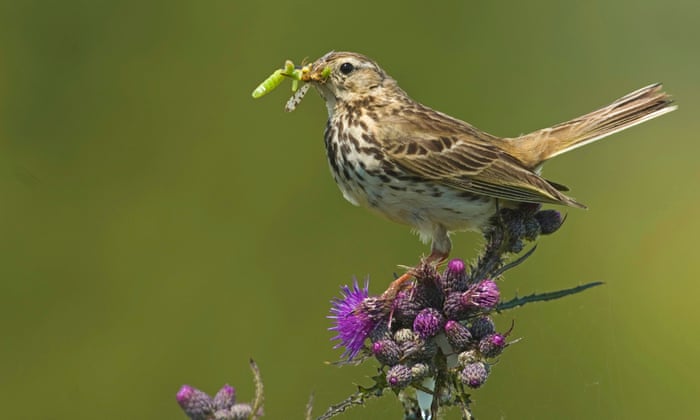
Most people blame ravens for problems caused by crows. They look similar, but the behavior is different.
Read Also: How to Keep Hawks Away From Bird Feeders Complete Guide?
The common nuisance birds in North America fall into a few groups. Crows and ravens are the big, loud ones. They scatter garbage, raid compost, and make a racket at dawn. Starlings and house sparrows are the small, invasive ones.
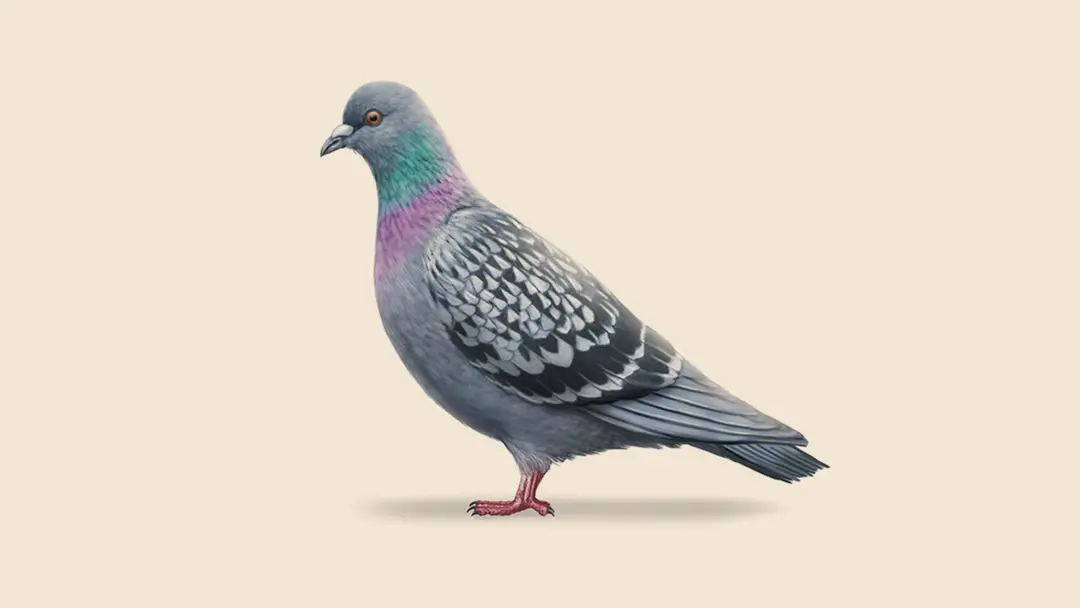
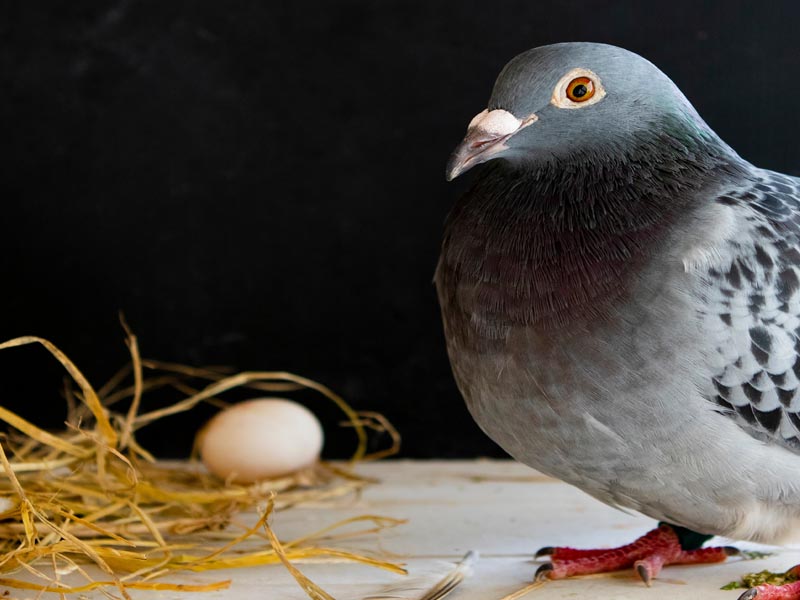
They take over nest boxes, foul buildings, and gather in massive flocks. Pigeons are the urban specialists. They roost on ledges and leave messes that corrode metal and create slip hazards.
Here in Alberta, ravens are actually less common than people think. A provincial survey found raven density at just 0.16 birds per 10 kilometers in one study area. Crows and magpies showed up far more often. So if your yard is under siege, it's likely crows, not ravens.
Are Ravens Protected in Alberta? The Short Answer
This is the question that trips up a lot of homeowners. The rules are specific, and getting them wrong can land you in trouble.
According to Alberta's hunting regulations, ravens are listed as an exception to the general bird protection rule. The regulations state that "all birds are protected except the following:
Starlings, crows, pigeons, house (English) sparrows, magpies, blackbirds, common grackles, brown-headed cowbirds, ravens (hunted on private land by residents and public land under an agricultural disposition)".
You Must Also Like: Best Plants for Hummingbird Conservation in Your Backyard
Read that carefully. Ravens can be hunted on private land by residents. But that doesn't mean you can just shoot one in your backyard. Firearm discharge bylaws apply. Cruelty laws apply. And the regulation is about hunting, not casual pest removal.
My advice: treat ravens as protected in practice. If you have a raven problem, focus on deterrents, not removal. The legal gray area isn't worth the risk.
Why Scare Tactics Fail (And What Works Better)?
I bought a plastic owl. The crows perched on it within three days.
This is the core problem with most bird deterrents. Birds are smart. They learn fast. A stationary scarecrow, a fake predator, or a shiny ribbon might work for a few days. Then habituation kicks in. The birds figure out the threat isn't real.
Here's what actually made a difference for me.
Remove the food source. This is boring advice, but it's the only thing that works long-term. Crows and ravens eat garbage, pet food, and compost. If you make those unavailable, they move on.
Get a garbage can with a locking lid. Don't leave pet food outside. Cover your compost. It's not exciting, but it works.
Block access, don't scare. Netting over fruit trees and berry bushes stops birds from landing. Spiky wire on ledges prevents roosting. These are passive barriers. They don't rely on the bird being scared. They just make the spot unusable.
Use sound strategically, not constantly. Distress calls can work, but only if you use them when birds are actively causing problems. A speaker blasting hawk cries 24/7 becomes background noise. A remote-controlled device you trigger when crows land? That keeps them guessing.
The Products That Actually Have Evidence Behind Them
Most bird deterrent products are sold on hope. Here's what has some research or real-world weight.
Bird netting. Heavy-duty netting with 4-inch mesh keeps crows and ravens out of gardens and off fruit trees. It's not glamorous. It's not cheap for large areas. But it works because it's a physical barrier, not a psychological trick.
Dead crow effigies. This sounds grim, but studies show crows respond to seeing dead crows. Hanging a taxidermy or artificial effigy in a problem area can frighten them off, especially when combined with distress calls. The key is moving it frequently so they don't figure out it's fake.
Motion-activated sprinklers. These startle birds with water and movement. They work best for small areas like a garden bed or a patio. The downside is cost and maintenance. The upside is they're humane and don't rely on noise ordinances.
What I'd skip: Ultrasonic devices. Research suggests many birds can't even hear ultrasonic frequencies. The ones that can don't seem to care. Save your money.
The Legal and Safety Line You Can't Cross
Here's the uncomfortable truth about bird control. Most of the lethal methods you'll find online are either illegal, dangerous, or both. The search results I reviewed included references to Avitrol and other toxicants.
These are restricted-use products. You need permits. You need training. Using them without authorization is a federal offense in most places.
Trapping and relocating is also more complicated than it looks. Live traps work for pigeons and starlings in some situations. But relocating wildlife often requires a permit, and released birds frequently die or cause problems elsewhere.
For homeowners dealing with crows, ravens, or magpies in Alberta, the practical path is non-lethal. Modify the habitat. Block access. Use scare tactics sparingly and unpredictably. If the problem is severe and persistent, call a licensed wildlife control professional. They know the rules. You probably don't.
The Final Thoughts
The crows left my compost alone after I bought a $30 locking bin. That was it. No fake owls. No ultrasonic gadgets. Just a lid that stayed shut.
The lesson stuck with me. Bird control isn't about outsmarting the birds with technology. It's about removing whatever drew them in the first place. Food, shelter, and access. Take those away, and the birds find somewhere else to be.
If you're facing a nuisance bird problem right now, start there. Before you buy a scarecrow or a sound machine, walk around your property and ask one question: What are these birds getting from this space? Answer that, and you're already halfway to solving it.